
Research & Innovation
Six active programs spanning oncology, radiation protection, space medicine, biofabrication, and supportive care — connected by a shared biology of stress, resilience, and recovery.
Radiation Protection
BP-C2 Applications
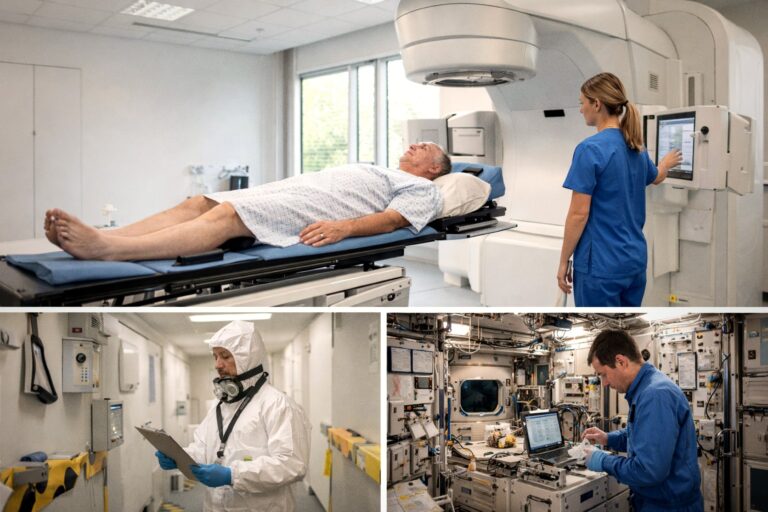
BP-C2 is being evaluated as a supportive approach in radiation-related settings, with a focus on tissue resilience and recovery. The program explores whether BP-C2 can help protect healthy tissue during demanding treatment courses and support faster functional recovery after exposure.
RDI’s work in this area is part of a broader effort to translate biomedical research into practical development programs through international collaboration, including work with NIAID on radiation countermeasure research.
Key focus areas: Tissue resilience under radiation exposure • Healthy tissue protection during treatment • Functional recovery support • Radiation countermeasure development
Additional scientific and development materials are available to qualified partners on request.
Oncology Research
BP-C1 in Cancer Treatment
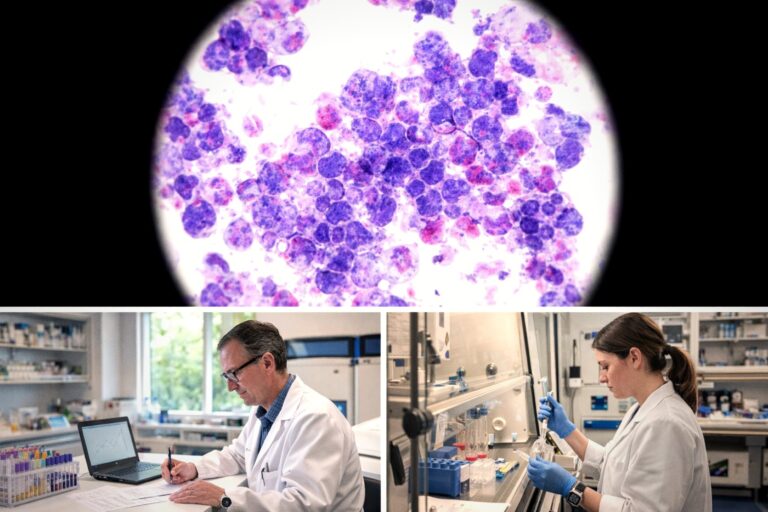
BP-C1 is an RDI oncology program being developed for advanced solid tumors, with an emphasis on treatment feasibility and tolerability in demanding clinical settings. The program explores whether BP-C1 can help patients remain on therapy while maintaining disease control, particularly where existing regimens are limited by cumulative burden.
RDI advances this work through international collaborations and structured development activities, working with clinical and translational research partners including the University of Illinois Chicago.
Key focus areas: Advanced solid tumor treatment • Treatment feasibility and tolerability • Disease control under cumulative burden • Clinical development pathways
Additional scientific, clinical, and development materials are available to qualified partners on request.
Space Medicine
BP-C2 in Space Medicine
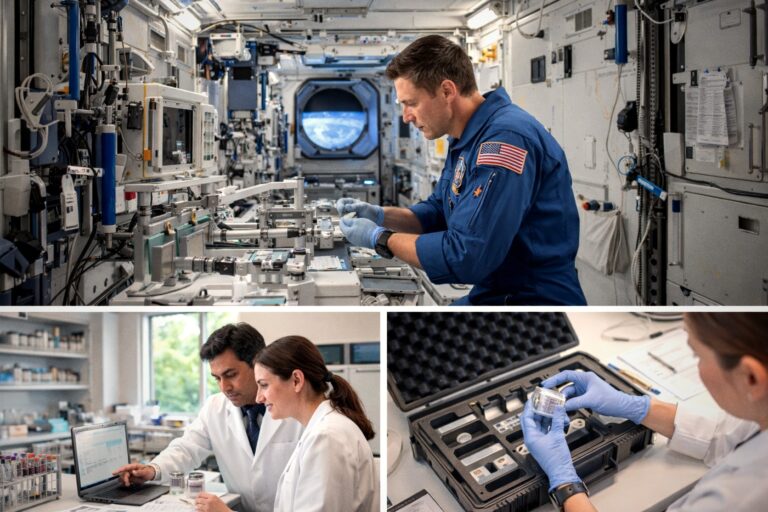
BP-C2 is being evaluated in space-relevant research contexts focused on biological resilience under radiation-related stress. The program explores potential applications for long-duration mission scenarios, where maintaining healthy tissue function is a key challenge.
RDI advances this work through collaborations with space research institutions including SCK CEN in Belgium and Space Applications Services, bridging radiation biology with the unique demands of extraterrestrial environments.
Key focus areas: Biological resilience in space conditions • Radiation-related stress mitigation • Long-duration mission health • Space agency collaboration
Additional scientific and development materials are available to qualified partners on request.
Aging Support
BP-C3 — Oral Supportive Care Program
BP-C3 is an RDI research program exploring systemic resilience and fatigue-related biology in demanding clinical settings. The program is focused on supportive care concepts that may help maintain function and recovery capacity under prolonged biological stress, including treatment-related burden.
The program investigates oral formulations designed to support patients experiencing sustained physiological demand, with a particular focus on maintaining quality of life and functional capacity during extended treatment periods.
Key focus areas: Systemic resilience • Fatigue-related biology • Supportive care in clinical settings • Recovery capacity under prolonged stress
Additional scientific and development materials are available to qualified partners on request.
Fab4Future
A Biofabrication Toolbox for Sustainable Living Materials
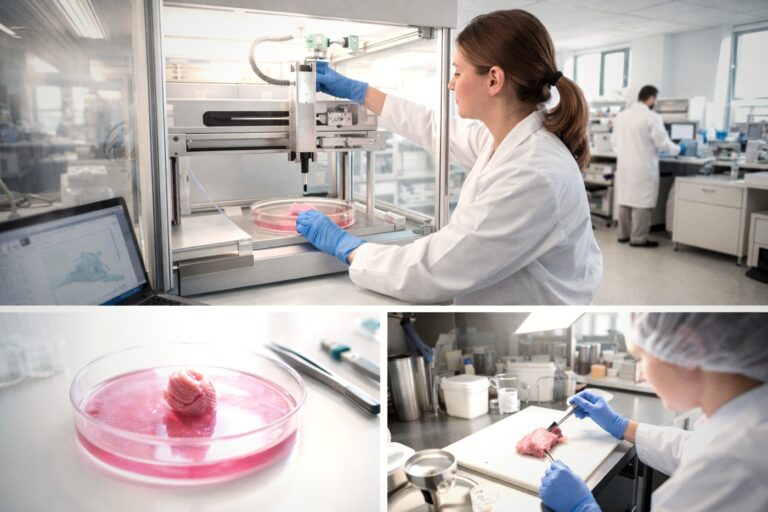
Fab4Future is an interdisciplinary R&D initiative developing biofabrication methods and enabling technologies for next-generation living materials. The program brings together advanced manufacturing and data-driven process development to support reproducible, scalable production workflows.
Fab4Future explores applications across regenerative research, sustainable bioproduction, and functional biomaterials, with a focus on practical tools rather than single end-products.
Key focus areas: 3D bioprinting and tissue engineering • Sustainable bioproduction methods • Living and functional materials • AI-enabled process development
Additional technical materials are available to qualified partners on request.
PULSE Project
Bioprinting for Space Research and Medicine • EU-Funded • Horizon Europe
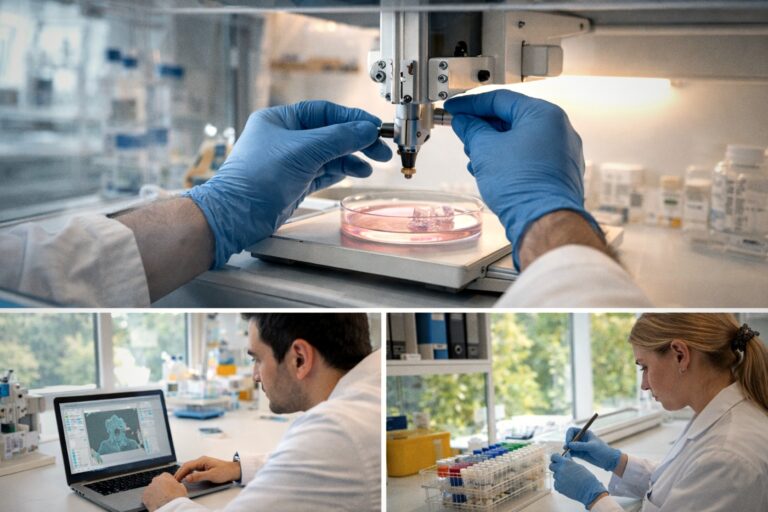
PULSE is an EU-funded research initiative under Horizon Europe advancing bioprinting methods for space-relevant research and biomedical applications. The project develops reproducible tissue-model workflows — particularly for cardiovascular research — to study how space conditions and radiation-related stress may affect human biology.
The program includes scaffold-free bioprinting approaches, including levitation-enabled assembly methods, to support more precise and consistent model generation. RDI was identified as a Key Innovator by the EU Innovation Radar for work developed within PULSE.
Key focus areas: Cardiovascular research in space conditions • Bioprinting methods and model standardization • Drug testing and regenerative research • Space agency and institutional collaboration
Additional project materials and technical details are available to qualified partners on request.